In an era where seamless communication can determine success or failure, how are modern business phone services reshaping company connectivity and competitiveness? This exploration reveals that traditional landlines are giving way to sophisticated VoIP systems and cloud-based solutions that offer unmatched scalability, security, and professionalism. Features like auto-attendants, call routing, mobile integration, and advanced security tools empower organizations to project a polished image while supporting remote and hybrid teams. But as technology evolves—driven by AI, 5G, and automation—are companies prepared to leverage these innovations to stay ahead? The narrative underscores not just the technological advancements but the strategic importance of adopting resilient, secure, and integrated communication platforms. As the future promises smarter, faster, and more personalized interactions, businesses must ask: will they harness these tools to build stronger relationships, streamline operations, and thrive in a rapidly shifting digital landscape?
Quick Navigation
Enhance Your Business Communications with FiberConX’s VoIP Solutions in Canada
Looking to upgrade your company’s communication system? FiberConX Communications offers top-tier business voip services tailored for Canadian businesses. Our VoIP & IP Business phone services include advanced features such as voicemail, IVR, Ring Groups, and voicemail-to-mail, ensuring seamless and professional communication. Whether you need to manage multiple departments or improve customer interactions, FiberConX has the solutions to fit your needs. Reach out to our team for more information at [email protected] or call 1.416.945.9210 and discover how our reliable VoIP services can transform your business communications.
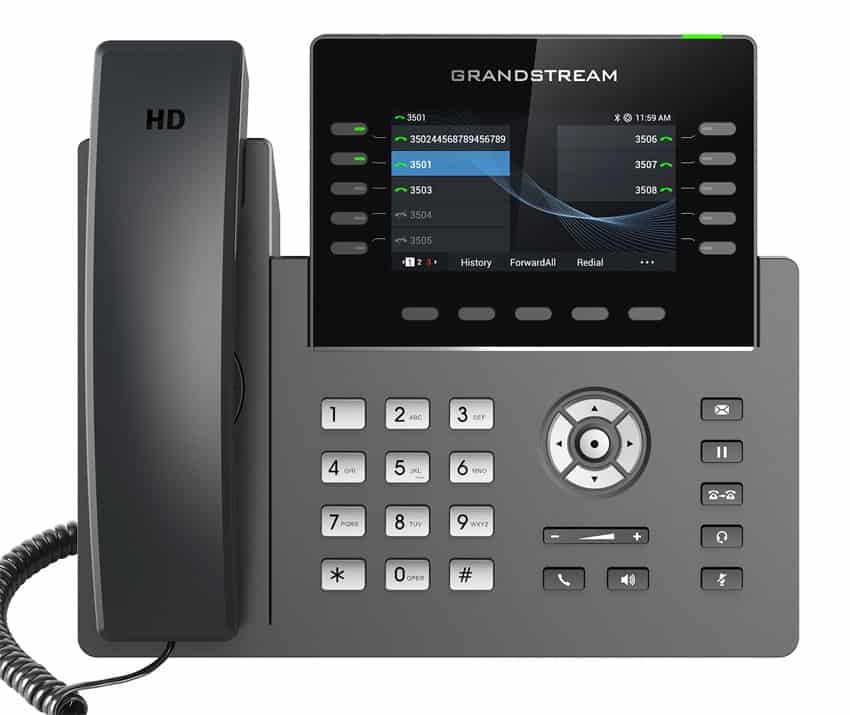
Connecting Today’s Business World: The Evolution of Phone Solutions
In today’s fast-moving business environment, staying connected isn’t just a convenience—it’s a necessity. Reliable communication tools help companies build trust, serve customers efficiently, and coordinate seamlessly across teams and locations. Over the years, this need has driven a significant shift from traditional landline phones to more sophisticated, internet-based systems that support remote work, video calls, and instant messaging.
The evolution of business phone services is driven by technology like Voice over Internet Protocol (VoIP), which turns voice signals into digital data transmitted over the internet. This change has made communication more flexible and scalable, allowing businesses to expand their systems without the hassle of installing new wiring or hardware. With features like voicemail-to-email, call forwarding, and video conferencing, modern systems empower teams to stay connected wherever they are.
Professionalism and customer experience are now closely tied to these advanced communication tools. Automated greetings, smart call routing, and customizable menus create a polished, efficient impression for callers. Small businesses, in particular, can project a larger, more established presence without hefty investments, thanks to cloud-based features that are easy to manage and grow.
Scalability is another critical benefit. As companies expand, adding new lines, users, or features is straightforward with cloud platforms. These systems also enhance resilience—if local equipment fails, calls can be rerouted to mobile devices or alternative lines, ensuring continuous connectivity and minimal disruption. This reliability is vital in competitive markets where every moment of downtime can impact reputation and revenue.
Security is a key focus in modern solutions. Encryption, call recording, and strict data protocols protect sensitive conversations, helping organizations meet industry regulations and safeguard client information. These security measures give businesses confidence that their communication channels are private and compliant, even in the face of increasing cyber threats.
Today’s business phone services are more than just a way to make calls—they’re a strategic asset. They support professionalism, enable growth, and ensure resilience in an era where connectivity can make or break success. As communication continues to evolve, companies that leverage these tools effectively will stay ahead, connecting with customers and teams more efficiently than ever before.
Building Blocks of Modern Business Communication: Technologies and Core Concepts
Modern business phone systems are built on essential technologies that make flexible, secure, and scalable communication possible. At the heart of these systems is Voice over Internet Protocol (VoIP), which transforms voice signals into digital data packets sent over the internet. This shift from traditional analog lines revolutionized business connectivity by reducing costs and simplifying expansion, eliminating the need for physical wiring or dedicated hardware.
Cloud-based platforms form the backbone of today’s communication infrastructure. They enable centralized management, allowing administrators to control and update the entire system remotely through intuitive online dashboards. This setup makes adding new users, adjusting features, or troubleshooting issues straightforward, supporting dynamic growth and dispersed teams without operational disruptions.
Security features have become integral to modern systems. Encryption ensures that voice calls and transmitted data remain private, preventing unauthorized access or eavesdropping. Call recording capabilities support quality assurance and regulatory compliance, while robust data protection protocols safeguard sensitive information, fostering trust and meeting industry standards amidst increasing cyber threats.
Advanced functionalities further enhance business communication. Auto-attendants greet callers professionally and route them efficiently, reducing wait times and improving the customer experience. Smart call routing directs inquiries based on factors like location, language, or time, ensuring that customers reach the right person quickly. These features streamline operations and project a polished, professional image, regardless of company size.
Integration with other business tools is key to maximizing these systems’ potential. Seamless connections with customer relationship management (CRM) platforms, analytics programs, and collaboration apps create a unified workflow. This interconnected approach provides valuable insights into communication patterns, enabling personalized customer service and more efficient team collaboration.
The technological evolution also boosts resilience. Cloud platforms support disaster recovery by rerouting calls during outages, ensuring continuous connectivity. This reliability is especially critical as remote and hybrid work models become the norm, requiring stable and secure communication channels across different locations and devices.
In essence, modern business phone systems are more than just communication tools—they are strategic assets. They offer the flexibility, security, and integration necessary to thrive in a fast-paced, digital environment. By leveraging these core technologies, companies can ensure seamless connectivity, enhance professionalism, and stay competitive in an increasingly connected world.

Unlocking Efficiency and Professionalism: Key Features of Today’s Business Phone Services
Modern business phone services pack a punch when it comes to boosting efficiency and projecting professionalism. Features like auto-attendants automatically greet and direct callers, creating a smooth, professional first impression without needing extra staff. This automation not only saves time but also ensures customers are quickly connected to the right department, which enhances their overall experience. Call routing, another key feature, allows inquiries to be directed based on criteria such as location, time, or language, making interactions more personalized and reducing wait times.
Mobile integration has transformed the way teams communicate, especially in remote and hybrid work environments. Employees can make and receive calls on their smartphones or laptops, maintaining a consistent connection whether they’re in the office, at home, or on the go. This flexibility ensures that customer inquiries are handled promptly, and team collaboration stays seamless across different locations. The ability to stay connected from anywhere empowers businesses to respond faster and serve clients better.
Security features are integral to modern systems, safeguarding sensitive conversations and data. Encryption keeps calls private, protecting against eavesdropping or hacking attempts. Call recording supports quality assurance, training, and compliance, while data protection protocols ensure that confidential information remains secure. These tools build trust with customers and meet industry standards, especially in sectors with strict regulatory requirements.
Beyond individual features, these systems fundamentally change how companies operate. Automated greetings, intelligent call routing, and mobile-friendly platforms streamline communication, making it easier for businesses to deliver quick, efficient service. Their scalability means adding new lines or features is simple, supporting growth without major disruptions. The ability to adapt swiftly to changing needs keeps organizations competitive and responsive in a fast-moving market.
Integration with other business tools enhances the value of modern phone services. Connecting with customer relationship management (CRM) systems and analytics platforms creates a unified workflow, enabling personalized customer interactions and data-driven decision-making. This interconnected approach improves overall efficiency, helping teams stay aligned and informed while delivering a more tailored service experience.
In today’s competitive landscape, these advanced features aren’t just luxuries—they’re essentials. They enable organizations to project a professional image, respond swiftly to customer needs, and adapt to evolving business environments. Modern business phone services are a strategic asset, supporting growth, security, and superior customer engagement in a digital-first world.
For businesses seeking reliable and scalable communication solutions, exploring options like a voip phone service can be highly beneficial. These systems integrate seamlessly with existing infrastructure and provide the flexibility needed in today’s dynamic work environments, ensuring that your team stays connected and responsive at all times.
Seamless Transition: Practical Guide to Implementing Cutting-Edge Phone Systems
Implementing modern business phone solutions starts with a clear understanding of your company’s specific needs. Identify the most critical features—whether that’s mobile access for remote teams, auto-attendants for a polished customer experience, or robust security measures to protect sensitive data. This focus will guide your choice of providers and help you select a system that aligns with your operational goals. Look for vendors with a proven track record and responsive support, as their expertise can make the transition smoother and reduce potential hiccups.
Planning the deployment carefully is essential. Ensure your internet connection has the bandwidth to handle VoIP traffic without disruptions, and coordinate with your IT team or vendor for hardware setup. Many providers offer onboarding assistance, detailed guides, or dedicated support staff. Running a pilot test before full rollout allows you to identify and fix issues like call quality problems or user confusion early on, saving time and avoiding costly mistakes down the line.
A phased approach works best. Start by implementing the system in one department or team, gather feedback, and make necessary adjustments. This initial stage helps build confidence among users and allows you to refine settings such as call routing, auto-attendant prompts, or voicemail options based on real-world use. As you expand, keep monitoring performance and user satisfaction, making tweaks to optimize the experience for both staff and customers.
Training your team plays a crucial role in maximizing the system’s benefits. Offer hands-on sessions that cover core features like call forwarding, voicemail-to-email, and mobile app use. Creating simple, accessible reference guides encourages ongoing learning and reduces frustration. Encourage open feedback about usability and functionality, and be ready to address concerns promptly. Well-trained staff are more likely to leverage the full potential of your new communication tools.
Security should be a top priority during and after implementation. Enable encryption for all calls and data transmissions, especially if handling confidential or sensitive information. Use strong, unique passwords for system access and restrict permissions to prevent unauthorized use. Configure call recording features with compliance in mind, ensuring legal and regulatory standards are met. Regular security audits and updates keep your system protected against evolving cyber threats, safeguarding both your organization and your clients’ trust.

Future of Business Communication: Trends, Innovations, and Strategic Insights
The landscape of business communication is evolving rapidly, driven by technological breakthroughs and shifting workplace expectations. Artificial intelligence now plays a bigger role, automating routine responses, analyzing call patterns, and offering personalized suggestions that enhance customer interactions. These AI-powered features help streamline operations, freeing staff to focus on more complex tasks and creating more efficient workflows.
Meanwhile, the rollout of 5G networks promises to boost connection speeds and reliability significantly. Faster, more stable internet will support advanced communication tools, enabling seamless remote work and real-time collaboration across dispersed teams. This connectivity will make cloud-based platforms more powerful and scalable, allowing organizations to adapt quickly to changing market demands without sacrificing quality or security.
Looking ahead, automation will become smarter and more integrated. Voice assistants and chatbots are expected to handle increasingly complex inquiries, reducing wait times and improving overall customer satisfaction. Personalization will reach new heights as systems recognize individual preferences and tailor interactions accordingly, deepening relationships and fostering loyalty. At the same time, security protocols will continue to advance, with stronger encryption and data protection measures safeguarding sensitive information from cyber threats.
These innovations will reshape the competitive landscape, rewarding companies that embrace emerging technologies early. Businesses that leverage smarter, more secure, and more responsive communication systems will be better positioned to serve customers efficiently and support their teams effectively. As remote and hybrid work models become the norm, the importance of resilient, flexible, and intelligent communication platforms will only grow.
The core of these advancements lies in making communication more intuitive, secure, and aligned with customer needs. Features like auto-attendants, intelligent call routing, and mobile integration will become more refined, helping organizations project professionalism effortlessly. Staying ahead in this digital age means not just adopting new tools but continuously integrating and optimizing them as part of a strategic approach to growth and resilience.
In essence, the future of business communication hinges on agility and innovation. Companies that proactively embrace these trends will turn technology into a competitive advantage, ensuring they can connect more effectively, adapt faster, and thrive in an increasingly digital world. As these tools evolve, they will do more than facilitate connection—they will fundamentally transform how organizations operate, compete, and succeed.