Is reliable communication the true backbone of business success, or is the evolution of modern phone services fundamentally transforming how companies connect and compete? Today’s digital landscape demands more than traditional landlines; it calls for sophisticated VoIP systems that offer cost savings, scalability, and seamless integration with digital tools. Features like auto-attendants, call routing, and mobile access project professionalism and enhance customer trust, while cloud-based solutions ensure resilience during outages and support growth. Yet, as security and compliance become paramount, organizations must navigate safeguarding sensitive conversations without sacrificing agility. The strategic impact of these advanced systems extends beyond daily operations—they shape customer perceptions, enable smarter workflows, and bolster competitive edge. As technology continues to evolve with AI and deeper integrations, forward-thinking companies who harness these tools will not only stay resilient but thrive amid rapid change. Are you ready to redefine your communication strategy for the future?
Chapter Overview
Revolutionize Your Business Communication with FiberConX’s VoIP Solutions
Elevate your business communication in Canada with FiberConX Communications’ comprehensive business phone services. Specializing in VoIP and IP business phone solutions, FiberConX offers features like advanced voicemail, interactive IVR systems, customizable Ring Groups, and voicemail-to-mail notifications to enhance your team’s efficiency. Whether you’re looking to improve customer experience or streamline internal communications, FiberConX’s reliable services ensure seamless connectivity. Reach out today at 1.416.945.9210 or email [email protected] to discover how their tailored solutions can benefit your organization.
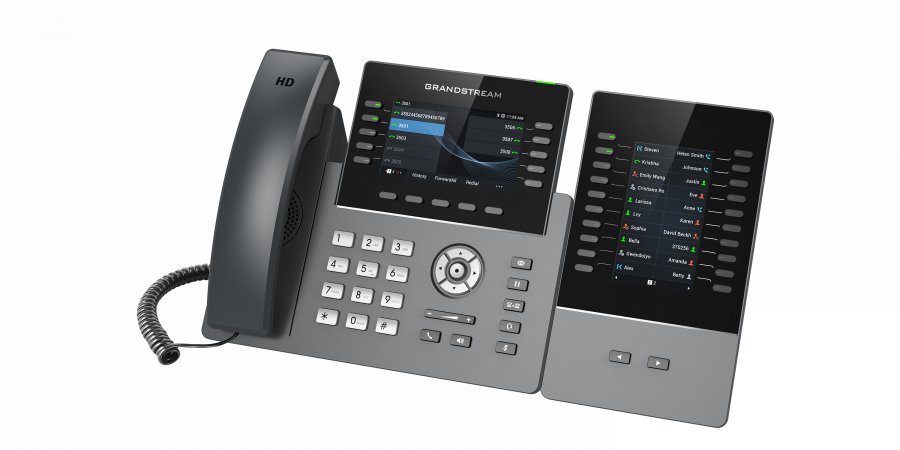
Connecting Success: The Evolution of Business Communication Technologies
In today’s fast-moving business world, staying connected is more than just a convenience—it’s a fundamental driver of success. Reliable communication channels ensure teams collaborate smoothly, inquiries are handled promptly, and customer relationships are built on trust. As technology advances, the tools organizations use to communicate have evolved from basic landlines to sophisticated digital systems that offer greater flexibility and efficiency.
Modern business phone services leverage internet technology to transform traditional communication. Voice over Internet Protocol (VoIP) systems now dominate the landscape, allowing calls to travel seamlessly over the internet rather than via conventional copper wires. This shift not only cuts costs but also opens doors to a host of features like voicemail-to-email, call forwarding, and video conferencing, making it easier for teams to stay connected from anywhere.
Beyond basic functionality, these systems project a professional image that enhances customer experience. Auto-attendants greet callers with customized messages and direct them efficiently, reducing wait times and creating a polished first impression. Features like call routing and skill-based distribution ensure inquiries reach the right person quickly, fostering trust and demonstrating reliability in every interaction.
Scalability and resilience are key benefits of cloud-based solutions. As businesses grow or face seasonal fluctuations, adding new lines or extensions becomes straightforward, often just a few clicks away. During outages or hardware failures, calls can be rerouted instantly to mobile devices or backup lines, maintaining uninterrupted service and safeguarding reputation.
Security remains a top priority, especially for industries handling sensitive information. Modern systems incorporate encryption, secure data storage, and access controls to meet compliance standards and protect confidential conversations. This focus on security not only safeguards data but also reinforces customer confidence, turning communication platforms into strategic assets for ongoing success.
Powerful Features That Elevate Your Business Phone Systems
Modern business phone systems are packed with features that make daily operations smoother and help project a polished, professional image. Auto-attendants act as digital receptionists, greeting callers with customized messages and guiding them efficiently to the right department. This automation not only shortens wait times but also creates a seamless first impression that boosts customer confidence.
Call routing takes this a step further by directing inquiries based on predefined rules, skills, or availability. This ensures that each call reaches the most suitable team member quickly, reducing frustration and improving resolution times. When customers connect with the right person from the start, it builds trust and demonstrates organizational competence.
Voicemail-to-email transcription is a handy feature that keeps communication flowing even when staff are busy. Instead of listening to voicemails, employees can read transcribed messages directly from their email inboxes, saving time and preventing missed messages. Paired with call forwarding and queue management, these tools help handle high volumes without sacrificing responsiveness or professionalism.
This theme is discussed in greater detail in Jessamine Robinson‘s article Revolutionizing Business Communication with Future-Ready Technologies on Purist Blog.
In today’s hybrid work landscape, mobile integration is essential. Modern systems allow employees to make and receive calls, access voicemails, and join conference calls from their smartphones. This flexibility ensures teams stay connected and responsive, whether working remotely or in the office, without missing critical customer or internal communications.
Cloud-based solutions bring scalability and adaptability to the forefront. Adding new lines, extensions, or features is simple and quick, often managed through an intuitive online dashboard. This ease of expansion supports growth and seasonal fluctuations without the need for costly hardware upgrades or complex setups. Additionally, these systems are designed with resilience in mind; if hardware fails or outages occur, calls can be automatically rerouted to mobile devices or backup lines, ensuring continuous service.
Security features like encryption, secure data storage, and access controls protect sensitive conversations and help organizations meet industry compliance standards. These safeguards are increasingly vital as data privacy regulations tighten globally. Implementing such measures not only secures sensitive information but also reassures clients that their data is handled with care.
Finally, integration capabilities with customer relationship management (CRM) platforms enable a more personalized customer experience. When calls are linked directly to customer profiles, agents can access relevant information instantly, resolving issues faster and building stronger relationships. These features turn communication systems into strategic tools that enhance efficiency, security, and customer satisfaction.

Strategic Advantages of Modern Business Phone Solutions
Modern business phone services do more than just handle daily calls; they actively shape a company’s strategic position in the marketplace. Features like intelligent call routing and auto-attendants create seamless customer journeys, leaving a polished first impression that fosters trust from the very first interaction. When customers experience quick, professional responses, they’re more likely to remain loyal and recommend the business, giving organizations a distinct edge over competitors still relying on outdated communication methods.
The integration of VoIP with digital tools such as customer relationship management (CRM) systems and collaboration platforms has transformed how teams operate. This unification streamlines workflows, reduces delays, and enables faster, more personalized responses. Being able to connect from anywhere—whether in the office or remotely—translates into more agile decision-making and responsive customer service, crucial for staying competitive in today’s fast-moving markets.
Advanced features like call queuing, skill-based routing, and customized greetings not only improve operational efficiency but also reinforce brand perception. These small touches elevate a company’s professionalism, making interactions smoother and more consistent. When customers reach a well-organized, responsive team, their confidence in the brand grows, strengthening loyalty and trust—valuable assets in any competitive industry.
Cloud-based systems further amplify this strategic advantage by offering scalability that adapts to business growth. Adding new lines, extensions, or features is quick and straightforward, supporting expansion without disrupting existing operations. During outages or hardware failures, calls can be rerouted instantly, ensuring uninterrupted service and maintaining customer satisfaction. This resilience becomes a key differentiator, especially in industries where reliability is paramount.
Security and compliance are more than just technical considerations—they’re strategic assets. Modern phone solutions incorporate encryption, secure data storage, and access controls that protect sensitive conversations and help meet strict regulatory standards. By safeguarding client information and ensuring confidentiality, organizations reinforce trust and demonstrate their commitment to responsible data handling, which can be a decisive factor in customer retention and reputation management.
A broader look at this topic can be found on Inspyro in Jasper Ward‘s Revolutionizing Business Communication with Cutting-Edge Technology.
Ultimately, the strategic impact of modern business phone services lies in their ability to enhance operational agility, boost customer confidence, and reinforce professional image. These tools enable companies to respond swiftly to market changes, optimize internal workflows, and build stronger relationships. Embracing these advanced communication technologies isn’t just about keeping pace; it’s about shaping a resilient, forward-looking business capable of thriving amid fierce competition.
Real-World Applications Transforming Business Communication
Modern business phone services are not just theoretical tools; they are vital for everyday operations across various industries. For retail businesses, auto-attendants and call routing ensure customer inquiries are directed efficiently, reducing wait times and projecting a professional image. When a shopper calls a specific store or department, the system recognizes the request and connects them directly, creating a smoother experience that fosters trust and satisfaction.
In healthcare and legal sectors, security features like call encryption and data retention are essential. Handling sensitive information daily, these organizations must meet strict regulatory standards. Modern systems support secure conversations and store call records safely, helping them comply while safeguarding client confidentiality. When clients see their information is protected, it boosts their confidence and trust in the provider.
Transforming Business Communication with Cutting-Edge Technology is a relevant article by Lawson Zimmerman available on Joy Strike Zone.
Startups and growing companies rely heavily on the scalability of cloud-based systems. As teams expand or new locations open, adding lines or extensions is quick and simple—often managed through easy online dashboards. This flexibility allows businesses to adapt rapidly without costly hardware upgrades or complex setups. Remote employees also benefit from mobile integration, enabling them to participate in calls, access voicemails, and collaborate from anywhere, maintaining high responsiveness.
In today’s remote work environment, mobile integration transforms how teams stay connected. Employees can make and receive calls on their smartphones, join conference calls, and access voicemail instantly, regardless of their location. This seamless connectivity ensures that customer interactions are continuous and professional, even outside traditional office settings. It helps organizations maintain high service standards and internal collaboration, no matter where their staff is based.
Call analytics and management tools are increasingly integral to modern systems. Managers gain insights into call volumes, wait times, and agent performance, allowing them to optimize staffing and improve service quality. When integrated with customer relationship management (CRM) platforms, these tools enable agents to access customer profiles instantly, personalizing interactions and resolving issues more efficiently. This combination of features turns everyday communication into a strategic advantage that enhances customer satisfaction and operational efficiency.
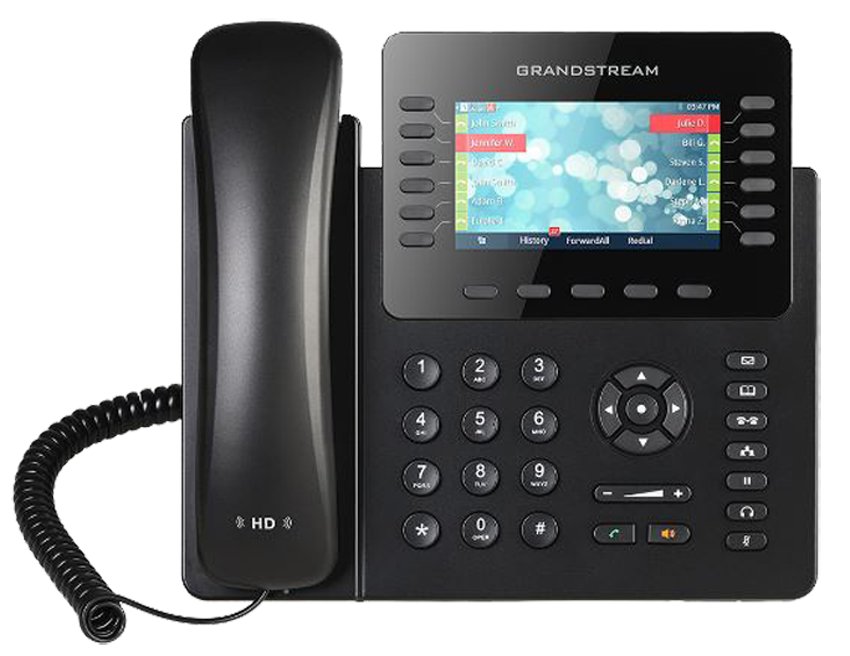
Shaping the Future: Trends and Outlook for Business Phone Technologies
As digital communication continues to evolve, the significance of reliable, flexible business phone systems only grows stronger. Moving from traditional landlines to cloud-based VoIP solutions has already transformed how companies connect, offering cost savings, scalability, and resilience. These systems do more than just handle calls—they influence customer perceptions, internal workflows, and overall competitiveness in a fast-changing marketplace.
Emerging technologies like AI-powered analytics, enhanced security protocols, and deeper integrations with digital platforms are set to redefine business communication further. These tools will provide actionable insights into customer behavior, predict staffing needs, and improve response times, elevating both service quality and operational agility. Companies that adopt these innovations early will position themselves as forward-thinking leaders capable of adapting swiftly to market shifts and customer expectations.
The shift toward internet-based communication highlights a broader trend of business agility and resilience. As remote work becomes more prevalent, maintaining seamless, secure channels across geographies becomes essential. Investing in scalable, future-proof systems isn’t just about growth; it’s about safeguarding continuity during disruptions and building long-term trust with clients and partners alike.
Security remains a critical concern, especially amid tightening data privacy regulations worldwide. Modern phone solutions with encryption, secure data storage, and robust access controls do more than ensure compliance—they reinforce client confidence. Protecting sensitive conversations and confidential information turns communication infrastructure into a strategic asset that supports reputation management and client loyalty.
Looking ahead, success will belong to organizations that view communication technology as a core strategic component. Embracing advanced, adaptable systems today lays a foundation for future resilience, innovation, and competitive advantage. As digital tools become more sophisticated, the ability to seamlessly integrate, analyze, and secure communications will be a key differentiator in crowded markets.
The lessons learned from transitioning to digital communication underscore the importance of flexibility, security, and customer-centric features. These elements are no longer optional but essential for thriving amid rapid technological change. Companies that harness the full potential of modern phone services will enjoy stronger relationships, more efficient operations, and sustained growth.
Remaining connected, resilient, and responsive in an increasingly digital world depends on continuous investment in communication infrastructure. Organizations that prioritize this will not only meet current demands but also unlock new opportunities for trust, innovation, and expansion—ensuring they stay ahead in a competitive landscape.