Deciding where to service your vehicle—small family-run garages or large nationwide chains—can significantly impact its long-term health. Do personal relationships and tailored care outweigh the convenience of standardized service and warranties? Small garages often rely on community trust, offering personalized attention and competitive pricing, but may lack access to advanced diagnostic tools. Conversely, large chains emphasize consistency, cutting-edge technology, and nationwide coverage, providing peace of mind for travelers and frequent movers, yet often at a higher cost and with less personalized service. Which option truly safeguards your investment? The answer hinges on your priorities: relationship and trust, or reliability and efficiency. Both types can deliver quality when chosen wisely, but knowing their strengths and limitations ensures you select a mechanic who prioritizes honesty, skill, and your vehicle’s well-being. Ultimately, the best choice is a partner dedicated to safeguarding your car’s future—be it local or national.
Navigation
Deciding Where to Take Your Car: The Neighborhood Garage vs. The Nationwide Chain
When your car needs repairs or routine maintenance, deciding where to take it can feel more complicated than it should be. On one side, you have small, family-run garages that often feel like neighborhood treasures—places where trust and personal relationships matter. On the other, there are large, nationwide chains promising efficiency, consistency, and a straightforward experience. Both options have their appeal, but your choice can influence not just a single repair, but the long-term health of your vehicle.
Small garages tend to thrive on reputation and community ties. Many have been serving their neighborhoods for decades, relying on word-of-mouth and loyal customers rather than flashy advertising. This personal connection can lead to a more attentive, tailored service experience. When you speak directly with the mechanic working on your car, they’re more likely to understand your vehicle’s history and quirks, which helps catch issues early and prevent costly repairs down the line.
In contrast, large chains focus on uniformity and speed. They invest heavily in modern diagnostic tools, ongoing staff training, and clear procedures. This means you can expect a certain level of consistency no matter which location you visit. If you’re someone who travels frequently or moves often, that reliability offers peace of mind. You know that repairs will meet manufacturer standards and that your warranty will be honored across locations, reducing stress when you’re far from home.
Of course, each approach has its limitations. Small garages, while often more flexible and affordable, can vary significantly in quality. Some may lack the latest diagnostic technology or specialized training for newer vehicles. Large chains, though reliable in their standards, can sometimes feel impersonal, with mechanics rotating between locations and less opportunity to develop a relationship. They can also be more expensive, reflecting their branding and operational costs.
The decision often comes down to what you value most. If building a relationship with a trusted mechanic who understands your car’s history is a priority, a local garage might be the better fit. But if you prefer quick, predictable service with the reassurance of a nationwide warranty, a large chain could serve you better. Both options can deliver quality, provided you choose a reputable, honest provider.
Choosing where to go for maintenance isn’t just about convenience or cost. It’s about finding a partner in care for your vehicle—someone who prioritizes transparency, skill, and trust. Whether it’s the personal touch of a neighborhood shop or the standardized assurance of a big chain, your long-term vehicle health depends on making that connection. By understanding the strengths of each, you can make an informed choice that keeps your car running smoothly for years to come.
Experience Top-Quality Automotive Services with Beck Auto in Thornhill
For residents of Thornhill, Ontario seeking reliable and comprehensive vehicle care, Beck Automotive Services, known as Beck Auto, offers a wide range of services including auto repair, oil changes, brake repairs, vehicle maintenance, car diagnostics, tire services, engine repairs, and transmission services. Their team is dedicated to providing customer-focused automotive care tailored to each vehicle’s needs. Additionally, Beck Auto specializes in used car sales, ensuring customers find the perfect vehicle to suit their lifestyle. Whether you need routine maintenance or major repairs, Beck Auto is committed to delivering exceptional service and customer satisfaction. Contact them today at [email protected] or call (416) 222-6583 to schedule an appointment or learn more about their offerings.
Trust Versus Efficiency: Navigating the Conflicting Priorities in Garage Choice
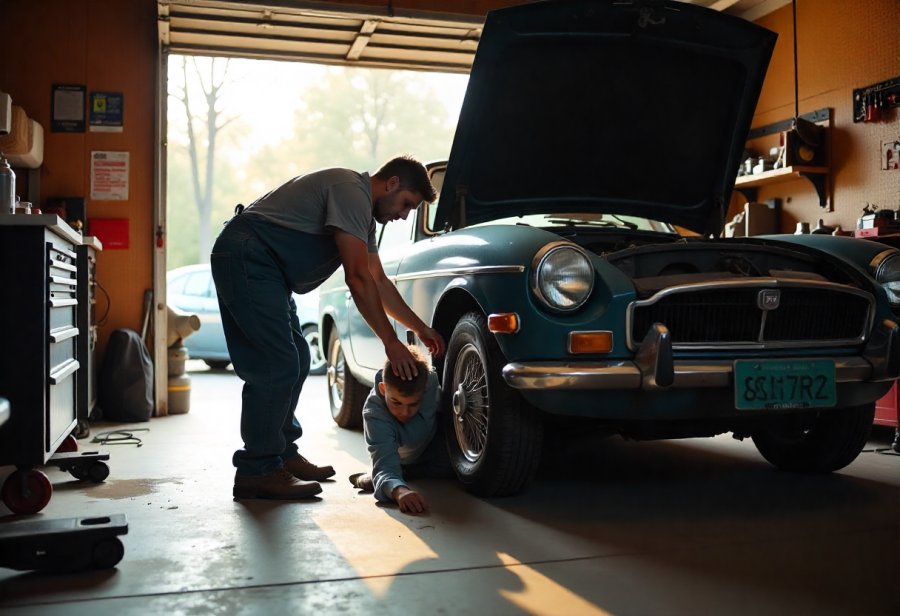
Choosing between a small, family-run garage and a large chain isn’t just about convenience; it’s a tug-of-war between trust and efficiency that can be surprisingly nuanced. Small garages often thrive on personal relationships built over years of service. They rely heavily on reputation within the community, which can make a big difference when it comes to the level of care you receive. When you walk into a local shop, you’re more likely to speak directly with the mechanic who will work on your car—someone who has a vested interest in doing good work because their reputation depends on it. This personal touch fosters trust, and many customers appreciate that their mechanic knows their vehicle’s history intimately.
In contrast, large chains emphasize uniformity and speed. They invest in state-of-the-art diagnostic tools, standardized procedures, and ongoing staff training to ensure that a repair performed in one city is the same as in another. This consistency offers reassurance—knowing that your vehicle will be serviced to manufacturer standards, no matter which location you visit. For frequent travelers or those who move often, this reliability can be a real advantage, backed by nationwide warranties that cover repairs across multiple locations. This setup minimizes the surprises and uncertainties that sometimes come with smaller, independent shops.
However, this efficiency can come at a cost. Large chains sometimes feel impersonal, with mechanics rotating between different locations and little opportunity for relationship-building. Customers may find it harder to develop a rapport or trust that the same technician understands their vehicle’s quirks. Upselling is also more common in these environments, as corporate policies encourage additional services that may not always be necessary. Meanwhile, pricing is often fixed and higher, reflecting the costs of branding, marketing, and maintaining a broad infrastructure. For some, the convenience and warranty benefits outweigh these drawbacks; for others, it can feel like paying a premium for predictability.
Small garages, meanwhile, often have lower overhead costs, which can translate into more competitive pricing and flexibility. They might be willing to work with you on routine jobs, offering practical advice without pushing unnecessary services. Yet, it’s worth noting that not all small shops have access to the latest diagnostic technology or specialized training, especially for newer vehicles. The quality of service can vary widely depending on the shop’s experience, resources, and staff expertise. This variability can be a concern if you own a modern car that requires advanced diagnostics or complex repairs.
Trust is another key factor that separates these two types of garages. Small, community-based shops often thrive on repeat customers and word-of-mouth recommendations, which encourages them to prioritize honesty and personalized service. They tend to be more transparent about costs and less inclined to upsell. Large chains, on the other hand, rely on brand reputation and consistent standards, which can be reassuring but sometimes feel detached from individual customer needs. They often operate under strict corporate guidelines that may limit the level of personalized advice and flexibility.
The decision ultimately depends on what you value most—whether it’s the personal relationship and tailored care that a local garage offers or the peace of mind that comes with standardized, nationwide service. Both have their strengths, and both can be trustworthy options when chosen carefully. Being aware of these contrasting qualities helps you make an informed choice, ensuring your vehicle gets the care it needs while aligning with your own priorities. This balance between trust and efficiency is at the heart of every good garage decision, shaping your long-term vehicle health and your peace of mind on the road.
Real-Life Scenarios: How Garage Selection Shapes Your Vehicle Maintenance Journey
Picture yourself planning a long road trip across the country. With a large chain handling your vehicle’s maintenance, you can relax knowing that their standardized procedures and nationwide warranties will keep you covered. No matter which city or state you’re in, the service you receive should meet the same high standards. This consistency reduces one worry—trusting that your car will be reliable on the open road. It’s a comfort that many travelers appreciate, especially when unfamiliar roads and new environments add enough uncertainty already.
Now imagine instead that you’ve developed a close relationship with a trusted local mechanic over the years. Their personalized approach means they know your car’s quirks, maintenance history, and specific needs. When you bring your vehicle in for routine tune-ups or minor repairs, they’re more likely to spot early signs of wear that others might overlook. This ongoing familiarity often results in better long-term care, saving you money and preventing bigger issues down the line. It’s the kind of attentive service that builds trust and peace of mind, especially for vehicles that see regular use or are older models.
Routine services like oil changes, tire rotations, or brake inspections tend to be smoother at a small garage. The mechanics’ knowledge of your car’s history and their investment in your satisfaction often lead to quicker, more attentive work. They may notice subtle signs of impending problems—like uneven brake pad wear or early fluid leaks—that can be addressed before they escalate. Conversely, big chains, with their streamlined processes and standardized procedures, excel at handling these basic tasks efficiently. They often have the latest tools and trained technicians to ensure that even simple services are done correctly and swiftly.
When it comes to complex repairs or electronic diagnostics, the choice between a small or large garage becomes even more significant. Modern vehicles rely heavily on electronic systems, requiring advanced diagnostic equipment and specialized expertise. Large chains tend to invest heavily in this technology, making them more capable of accurately diagnosing and repairing high-tech issues. If your vehicle has a complicated computer or sensor problem, their resources can mean the difference between a quick fix and a prolonged, costly misdiagnosis. Yet, a well-trained, certified mechanic in a small shop who’s familiar with your car’s make and model can also deliver exceptional repairs—especially if they’ve invested in the right tools and ongoing education.
Your driving habits and location play a role, too. If you’re someone who moves frequently or travels extensively, the reassurance of a nationwide warranty and consistent service at a large chain offers peace of mind. You know that regardless of where you are, your vehicle will be in good hands. For those rooted in a community, however, a trusted local garage often provides a level of personalized care that can’t be matched. Their familiarity with your vehicle and ongoing relationship can lead to more proactive maintenance, catching issues early and extending your car’s lifespan.
In practical terms, the decision often comes down to what matters most to you: the convenience and predictability of a big chain or the personal attention and tailored service of a local shop. Both can deliver quality, provided you choose a reputable, honest provider. Sometimes, the best choice is a blend—using a local mechanic for routine, ongoing maintenance, and turning to a chain for complex diagnostics or when traveling. Recognizing the strengths of each setup helps you make smarter decisions that protect your car’s health and your peace of mind.
Whether you’re on a long trip or caring for a long-term vehicle, how you approach repairs and maintenance impacts your vehicle’s longevity. A reliable, skilled mechanic—regardless of size—can catch small problems early, prevent costly repairs, and keep your car running smoothly. Building a relationship based on trust, transparency, and expertise turns routine maintenance into a partnership that benefits your car and your wallet. It’s about choosing a care partner who puts quality first, so you can focus on the journey ahead without worry.
Making the Right Choice: Building Trust for Your Vehicle’s Long-Term Health
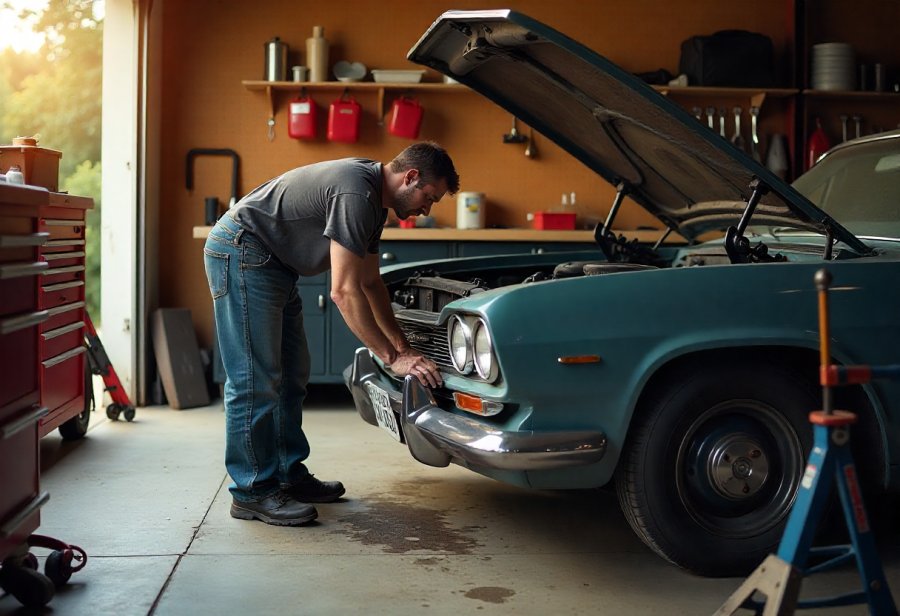
Choosing a trustworthy garage is one of the most important steps in ensuring your vehicle’s long-term health. Whether you prefer the personal touch of a small, family-run shop or the consistency offered by a large chain, what matters most is confidence in the quality and honesty of the service you receive. A mechanic who genuinely cares about your car can catch small issues early, preventing costly repairs and extending your vehicle’s lifespan. Building that trust means seeking out technicians who are transparent, experienced, and committed to doing right by you.
Both small garages and big chains have their strengths. Small shops often excel in personalized service, fostering relationships that lead to tailored advice and early problem detection. They’re more likely to treat your vehicle as if it were their own, which can translate into attentive care and practical solutions. On the other hand, large chains provide standardized procedures, advanced diagnostic tools, and nationwide warranties that give you peace of mind—especially if you travel or move frequently. Recognizing these benefits can help you choose a provider that aligns with your priorities.
The key is to look beyond brand names or shop size. Focus on credentials—certified technicians, clear estimates, and positive reviews. A trustworthy mechanic will be upfront about costs, explain repairs in plain language, and prioritize your vehicle’s well-being over upselling. This transparency and professionalism create a partnership you can rely on, no matter where or when your car needs attention. Such relationships aren’t built overnight but stem from consistent quality, honesty, and respect.
Regular maintenance is vital, and the right garage makes all the difference. An honest, skilled mechanic helps you catch small issues before they escalate, saving money and stress. They also provide guidance tailored to your specific vehicle, ensuring optimal performance and longevity. Whether it’s routine oil changes or complex electronic repairs, choosing a garage that values integrity and expertise ensures your car remains dependable for years to come.
Remember, your vehicle is a significant investment. Protecting it requires more than just quick fixes; it demands a partnership with a mechanic who understands your car’s unique needs and treats it with care. The best garages—small or large—are defined by their commitment to quality, transparency, and long-term service. Investing time in finding that trusted partner pays off in peace of mind, better performance, and a vehicle that stays reliable mile after mile.
In the end, the right choice isn’t about size or branding, but about trust and consistent quality. When you find a mechanic who genuinely cares and delivers honest, expert care, you’re safeguarding your vehicle’s future. That relationship creates a foundation of confidence, so you can focus on the journey ahead—knowing your car is in good hands every step of the way.