In an era where traditional locks and alarms no longer suffice, modern home security has evolved into a sophisticated network of connected devices that empower families with real-time control and proactive protection. From high-definition CCTV cameras with remote access to intelligent alarm systems and smart locks, today’s solutions create layered defenses that deter intruders and enable swift responses. But do these integrated systems truly safeguard your loved ones in an unpredictable world? As technology advances, so do the challenges—cybersecurity threats, the need for ongoing maintenance, and privacy concerns. Experts stress that thoughtful design, continuous monitoring, and a balance of high-tech tools with traditional safeguards are essential for comprehensive safety. With innovations like AI, environmental sensors, and faster connectivity on the horizon, the future of home security promises smarter, more responsive protection. Yet, the question remains: can technology alone ensure true peace of mind, or will a balanced approach always reign supreme?
Transforming Home Safety with Cutting-Edge Technology
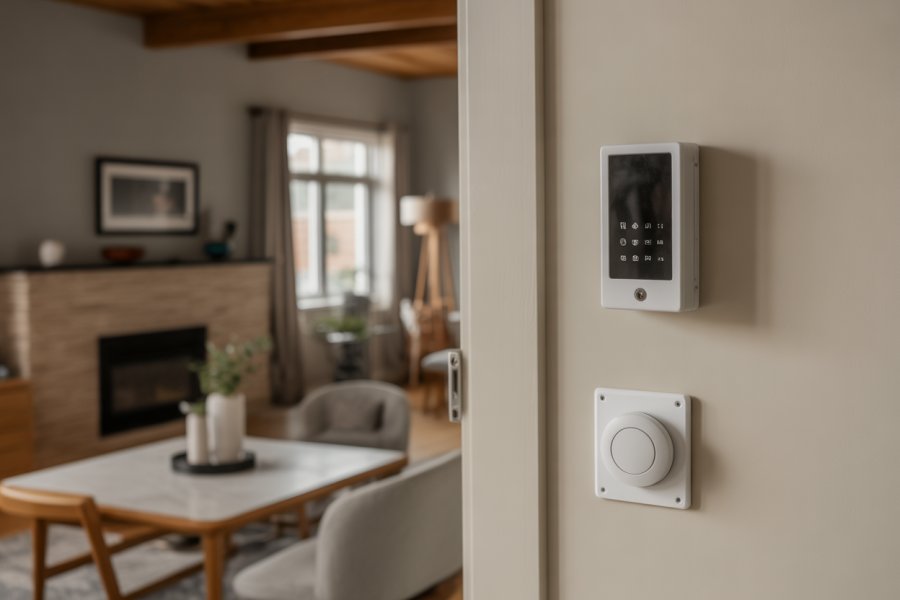
Home security has come a long way over the past decade, thanks to rapid advances in technology. What once relied on simple locks and alarms has evolved into a sophisticated network of connected devices that offer real-time control and monitoring. Today’s systems integrate high-definition cameras, automated locks, and motion sensors into seamless setups you can manage from anywhere. This shift reflects a new mindset: moving from reactive defense to proactive prevention and early detection.
The key to this transformation is remote access. With just a smartphone, you can check live video feeds, receive instant alerts, and even lock or unlock doors remotely. This level of control was unimaginable not too long ago and has completely changed how families think about safety. Instead of waiting for trouble to happen, homeowners can now actively prevent threats or respond swiftly when something suspicious arises.
Understanding the main components of these systems helps clarify their power. Cameras serve as the eyes of modern security, providing clear, high-resolution footage that can be accessed remotely. Alarm sensors on doors and windows detect unauthorized entry, triggering alerts and alarms that can summon help. Smart locks and biometric access controls give families flexible, secure options for managing who enters their home—whether trusted family members or service providers.
When these elements work together, they create a layered, resilient security network. For example, motion detected by sensors can trigger cameras to record and send notifications, while automatic door locks respond to specific events. This interconnected approach makes it much harder for intruders to succeed and enables quick, coordinated responses to any incident. It’s a system designed not just to react but to actively prevent threats before they escalate.
More households are now adopting these integrated solutions as part of their daily routines. With a few taps, families can verify who’s at the door, check on children or pets, or monitor their property while away. This ongoing oversight turns security into an active process—one that’s manageable, responsive, and adaptable to changing needs.
This evolution in home security puts control directly into homeowners’ hands, offering peace of mind and a sense of empowerment. It’s about creating a safer environment through smart, connected technology that keeps families protected whether they’re home or away. As these systems become even more sophisticated, they’re shaping a future where the safety of your home is more connected, responsive, and reliable than ever.
Unveiling the Essential Elements of Modern Security
Building on the foundation of modern home security, understanding its core components helps clarify how these systems work together to protect your home effectively. Cameras, or CCTV systems, are the backbone of surveillance. Today’s high-definition models, equipped with night vision and motion detection, deliver crisp, clear footage that you can view remotely from your smartphone or computer. This instant access allows homeowners to monitor their property at any time—whether checking in on children, pets, or visitors—and quickly spot any unusual activity. Well-placed cameras serve both as a deterrent and as a tool for evidence collection.
Alarm systems form the second crucial element. These include sensors on doors, windows, and inside the house that detect movement, breakage, or unauthorized entry. When triggered, alarms emit loud sounds to scare off intruders and send immediate alerts to homeowners or professional monitoring services. Modern alarm systems can be customized to suit your household layout and specific needs, minimizing false alarms while ensuring genuine threats prompt swift responses. Coupling alarms with professional monitoring guarantees that help arrives fast, even if you’re not at home.
Smart access controls elevate security by managing who can enter your property. These systems utilize keyless methods like smartphone apps, key fobs, or biometric scanners such as fingerprint readers. They allow you to grant or restrict access remotely, provide temporary entry codes for visitors or service providers, and keep detailed logs of entries and exits. When integrated with home automation, smart locks can automatically lock or unlock doors based on schedules or detected activity, blending convenience with robust security.
When these components—cameras, alarm sensors, and access controls—operate in harmony, they create a layered security network. Cameras monitor and record, sensors detect intrusion, and locks manage entry points. This interconnected setup not only deters potential intruders but also allows for rapid, coordinated responses. For example, motion detection can trigger a camera to record and send alerts, while locks can respond automatically to certain triggers, making the system more resilient and responsive.
Remote control and real-time monitoring are what truly set modern security apart. Through dedicated apps and online platforms, homeowners can check live feeds, receive instant notifications, and control locks or alarms from anywhere in the world. This continuous oversight transforms security from a passive safeguard into an active, manageable process. It empowers families to verify situations immediately and respond swiftly—whether confirming a visitor’s identity or taking action against suspicious activity.
This perspective is expanded in Lawson Zimmerman‘s article Experience the Future of Home Security with Smart, Integrated Solutions on Pentego.
By combining these core elements into a cohesive, smart network, homeowners build a security system tailored to their needs. The seamless integration of cameras, sensors, and access controls creates a robust defense that’s both proactive and adaptable, offering peace of mind in an ever-changing world.
Secure Your Markham Property with F.I.S.T Security’s Expert Solutions
F.I.S.T Security is a trusted Canadian owned and operated security provider based in Markham, Ontario, renowned for its commitment to excellence and customer satisfaction. We specialize in a comprehensive range of security services, including intruder detection, card access, CCTV systems, alarm monitoring, remote video monitoring, lighting, environmental control, and intercom solutions. Our team takes pride in going the extra mile to ensure your safety and peace of mind, tailoring each system to meet your specific needs. With a solid reputation built on reliability and professionalism, F.I.S.T Security is your local security partner. Contact us today at 416.755.4233 or email [email protected] to learn more about our services and how we can protect your property.
Real-World Impact of Seamless Security Integration
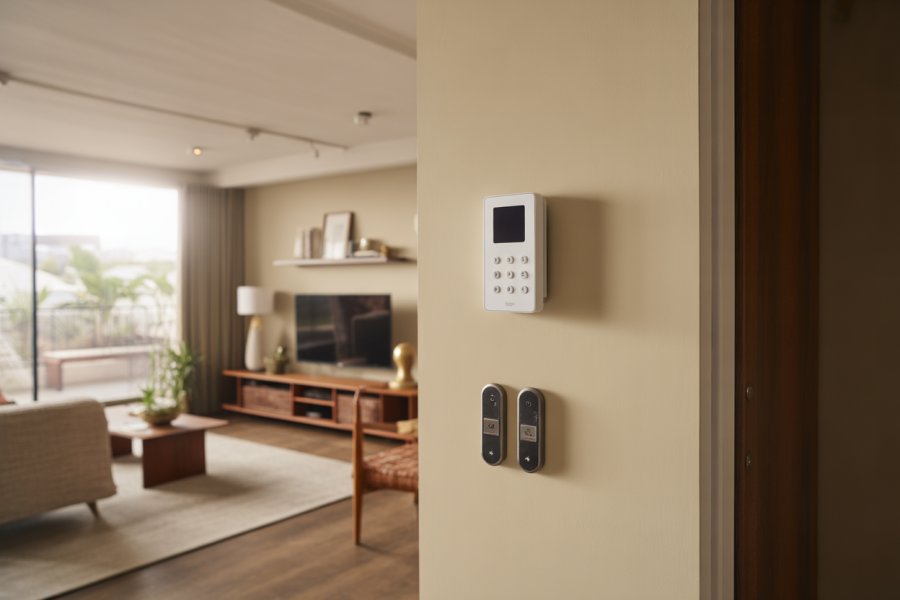
Modern security solutions are most effective when seamlessly integrated into daily routines, making remote monitoring a natural part of home life. Many families now install smart cameras and sensors that can be checked via mobile apps, providing instant access to live feeds and alerts regardless of location. For instance, if motion is detected outside after dark, homeowners can verify the situation immediately and decide whether to contact authorities or notify family members. This quick verification often prevents incidents before they escalate, turning reactive responses into proactive ones.
Setting up these systems typically involves professional installation, which ensures devices are positioned correctly and communicate securely. Experts help optimize camera angles for maximum coverage, configure sensors to minimize false alarms, and establish encrypted connections to guard against hacking. Once operational, these systems become an intuitive part of household life, offering peace of mind through constant remote oversight. Parents can check on children or pets, while homeowners can verify visitors without being physically present, making everyday safety checks more manageable.
In real-world scenarios, integrated remote security solutions have proven their worth repeatedly. Imagine a family on vacation receiving a notification about movement at their front gate. They can access a live video feed, identify a delivery person, and remotely unlock the door if needed. After the visitor enters, they can lock it again from afar. This flexibility not only enhances security but also acts as a deterrent to potential intruders, who are less likely to attempt a break-in if they suspect they might be caught on camera.
These technologies also support routine safety checks, such as confirming that children have arrived home safely or monitoring for unauthorized entries. When unexpected visitors appear, the system provides instant verification, enabling quick decisions—whether to communicate directly, alert neighbors, or call security services. This level of control helps families stay proactive and respond swiftly, transforming security from a passive safeguard into an active process.
The convenience of remote control extends further into automating everyday tasks. Families can unlock doors for trusted visitors, set schedules for lights and alarms, or adjust thermostats, all through connected apps. This integration turns security into an extension of daily life, making it more flexible, responsive, and tailored to individual needs. It’s about creating a home environment where safety and convenience go hand in hand.
A relevant discussion appears on Galactic Ranks in Eleanor Wells‘s Embrace the Future of Smarter, Safer Home Security Systems.
As these systems become smarter and more interconnected, their real-world applications will only expand. Combining ease of use with robust security features creates a reliable safety net that adapts to the unpredictable nature of modern living. Implementing integrated solutions today means families are better prepared to handle a wide range of threats, ensuring safety and peace of mind in an increasingly connected world.
Expert Insights: Building a Resilient Defense
Security professionals highlight that the strength of modern home security relies on thoughtful design and ongoing maintenance. Installing the latest devices alone doesn’t guarantee safety; instead, a layered approach that combines cameras, alarms, access controls, and physical barriers creates a more resilient defense. When these elements work together, they form a comprehensive shield that’s far more effective than individual components.
Cybersecurity is a top concern for experts. With many connected devices, encryption and secure communication channels are essential to prevent hacking. Homeowners should prioritize systems with strong security features, change default passwords regularly, and keep firmware up to date. These steps help protect live feeds and control systems from cyber threats, ensuring privacy and safety are maintained.
Experience the Future of Smarter, Remote Home Security Today is one example of how Ophie Nelson approaches this topic on Piccoli Blog.
Many security professionals advocate for professional monitoring services. Trained operators can respond immediately when alarms trigger, contacting authorities or alerting homeowners. This rapid response often makes a critical difference in preventing theft, vandalism, or other intrusions, especially when families aren’t at home. Clear protocols for responding to alerts further enhance overall safety.
Regular testing and inspections are vital. Experts recommend scheduling routine checks of cameras, sensors, and locks to confirm they’re functioning properly. Maintaining a secure Wi-Fi connection and staying vigilant about cybersecurity defenses prevents glitches and vulnerabilities. Consistent upkeep ensures the system remains reliable, ready to respond when needed.
Understanding your household’s specific risks helps tailor the best setup. Customizing security based on your environment—adding extra sensors in high-crime areas or integrating with existing smart home devices—boosts effectiveness. A personalized approach ensures the system addresses real threats rather than offering a generic solution.
Integration is key. When cameras, alarms, and access controls communicate seamlessly, the system becomes smarter and more responsive. For example, motion detection can trigger recording and automatic locking, creating a quick, coordinated response that deters intruders and reduces vulnerabilities.
While technology provides powerful tools, traditional safeguards still matter. Sturdy locks, good lighting, and secure windows remain essential parts of a comprehensive security plan. Combining these tried-and-true measures with high-tech solutions creates a balanced, robust defense that handles a wide range of threats.
Overall, security professionals agree that ongoing maintenance, customization, and effective integration are crucial. Staying proactive and vigilant ensures your home security system remains robust and adaptable, capable of facing today’s evolving risks and providing peace of mind for your family.
Future Horizons: Smarter, Safer Homes Ahead
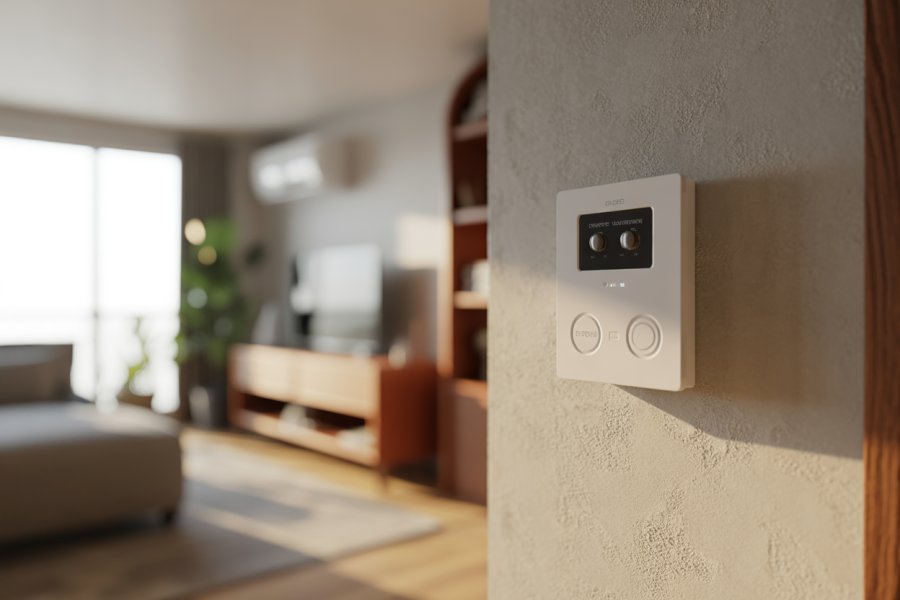
As technology continues to advance rapidly, the potential of integrated remote security systems to keep homes safer grows even more promising. These solutions are becoming smarter, more intuitive tools that empower families to proactively manage their safety in an unpredictable world. Today’s capabilities—such as live video feeds, instant alerts, and seamless automation—provide a strong foundation for protection. Moving forward, we can expect these systems to incorporate artificial intelligence that better distinguishes between normal activity and genuine threats, significantly reducing false alarms and enabling quicker responses.
Emerging innovations in sensors and cybersecurity will further strengthen these systems. Environmental sensors monitoring fires, gas leaks, and water damage are expanding the safety net beyond simple intrusion detection. Meanwhile, advancements like 5G connectivity will make remote controls faster and more reliable, even in areas with weaker internet signals. These improvements will make homes more responsive and adaptable, reacting instantly to a variety of hazards and disturbances.
However, increased connectivity also introduces new challenges. As security systems become more complex and integrated, safeguarding them from cyber threats is crucial. Hackers targeting connected devices could compromise security or disable alarms, so strong encryption and regular updates will be essential. Privacy concerns also need attention, as homes gather more data to enhance safety. Families must stay informed about how their information is stored and shared, ensuring that security measures do not infringe on their privacy.
Despite these technological leaps, a layered approach remains vital. Combining high-tech solutions with traditional safeguards like sturdy locks, good lighting, and secure windows creates a comprehensive defense. Technology alone cannot prevent every threat, but when integrated thoughtfully and maintained properly, it raises the overall security bar. This balanced approach helps households withstand a wide array of risks, from burglaries to environmental hazards.
Looking ahead, continuous innovation paired with vigilant maintenance will be key. As threats evolve, so must our defenses. Investing in smarter, more connected security systems today not only enhances safety but also prepares families for future challenges. The ongoing development of intelligent, integrated security solutions promises a future where homes are not just protected but actively responsive—adapting in real time to emerging risks and offering greater peace of mind in an increasingly connected world.